Home safety
How to Make a Home More Accessible
A room-by-room approach to a safer, easier home: fix urgent hazards, improve lighting and bathrooms, plan entrances and stairs, and know when to get help.
By Silver Corridor Editorial Published Updated 6 min read
Making a home more accessible usually starts with small, practical changes, such as better lighting, fewer trip hazards and grab bars where they are needed, and grows from there as needs change. The National Institute on Aging (NIA) suggests going through the home room by room, correcting immediate dangers such as loose stair railings and poor lighting first, and then working on other improvements.
This guide follows that approach, using NIA’s published home safety suggestions. It also covers when to bring in an occupational therapist or licensed contractor and where to look for help with planning and paying. It is general guidance; the right changes depend on the person and the home.
Start with a walk-through
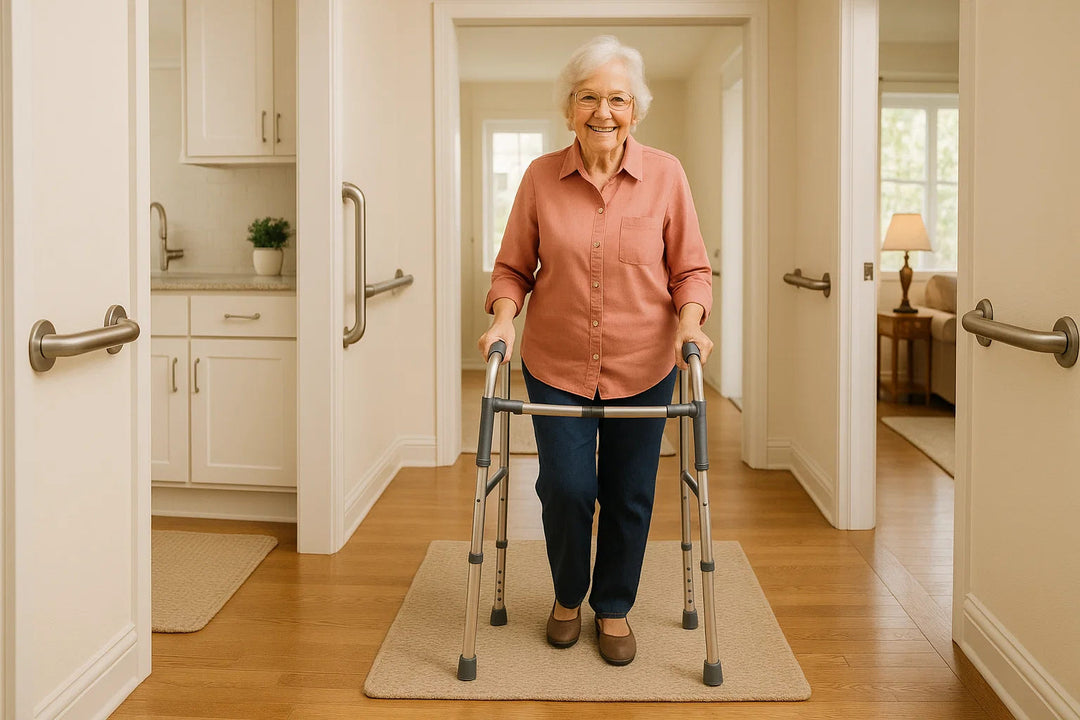
Walk the routes the person uses every day: from the bed to the bathroom, from the kitchen to a favorite chair, and in and out of the front door. Look for anything that could catch a foot, anything hard to reach and anywhere the lighting is poor.
Walk-through questions
- Are there loose rugs, cords or clutter on walking routes?
- Is there good lighting, with switches at the top and bottom of stairs and at each end of long hallways?
- Are stair handrails secure, and is there one on both sides?
- Can the person get in and out of chairs, the bed, the tub or shower and the toilet comfortably?
- Are everyday items within easy reach, without standing on a chair or stool?
- Is there a phone within reach of the bed?
NIA notes that it may not be necessary to make every suggested change, but that it is important to reevaluate home safety every so often as needs change.
Floors, stairs and hallways
NIA points out that many falls happen at home, where people spend much of their time and tend to move around without thinking about safety. Its suggestions for floors, stairs and hallways include:
- Make sure there are secure handrails on both sides of any stairs.
- Have light switches at the top and bottom of stairs and at each end of long halls; plug-in motion-activated lights can help light stairwells and pathways.
- Keep stairs and walkways clear of books, papers, clothes and shoes.
- Fix carpets firmly to the floor, and avoid throw rugs and small area rugs.
- Keep electrical cords near walls and away from walking paths.
- Arrange furniture, especially low coffee tables, so it is not in the way.
Bathrooms
Bathrooms combine hard surfaces and water. NIA suggests:
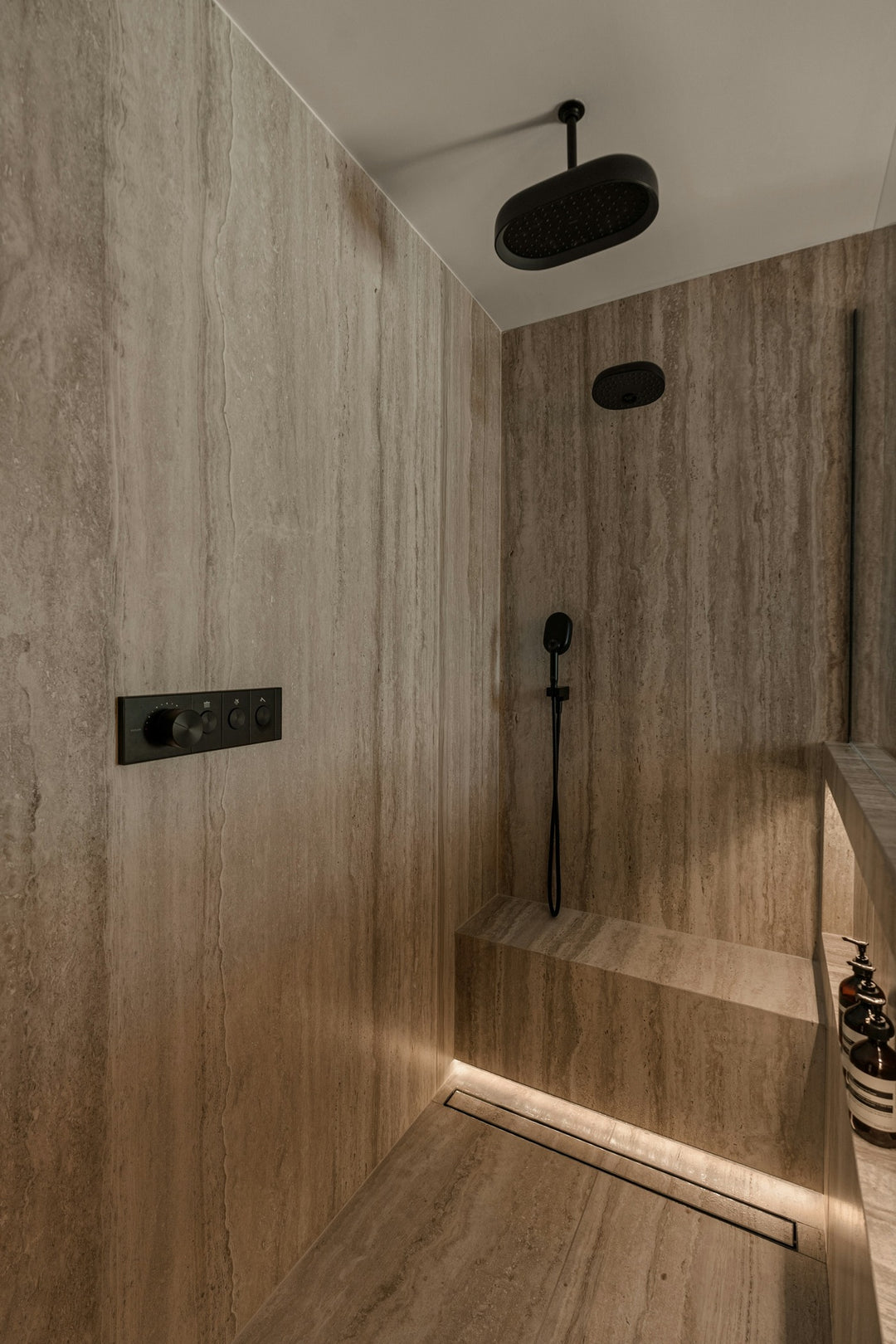
- Mounting grab bars near toilets and on both the inside and outside of the tub and shower.
- Placing nonskid mats, strips or carpet on all surfaces that may get wet.
- Leaving a light on at night, or using a night light that turns on automatically in the dark.
Grab bars need proper installation
Bedroom, kitchen and living areas
- Bedroom: night lights and a light switch close to the bed, a flashlight by the bed in case the power goes out, and a landline or well-charged phone within reach.
- Kitchen: keep frequently used pots, pans and utensils easy to reach, clean up spills right away, and consider preparing food while seated.
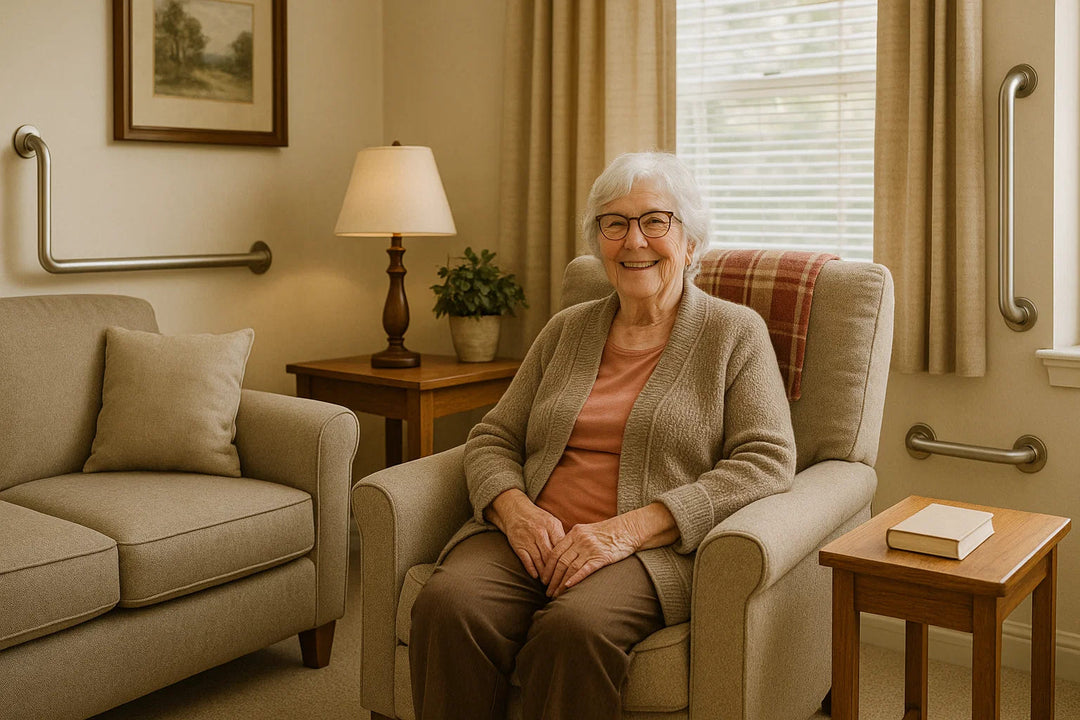
- Living areas: make sure sofas and chairs are a height that is easy to get in and out of, and keep often-used items at waist level or within easy reach.
- Reaching high places: do not stand on a chair or table; use a reach stick or ask for help. If a step stool is used, NIA advises making sure it is steady, has a handrail on top and that someone stands nearby.
- Pets: know where a cat or dog is whenever the person is standing or walking.
Entrances and outdoor spaces
- Make sure steps to the front door are not broken or uneven, and add non-slip material to outdoor stairways.
- Keep the lawn, deck and porch clear of debris such as fallen branches.
- Consider a grab bar near the front door for balance while locking or unlocking it.
- Turn on the porch light at night, including when you expect to return after dark.
- In winter, treat outdoor walkways with an ice melt product or sand.
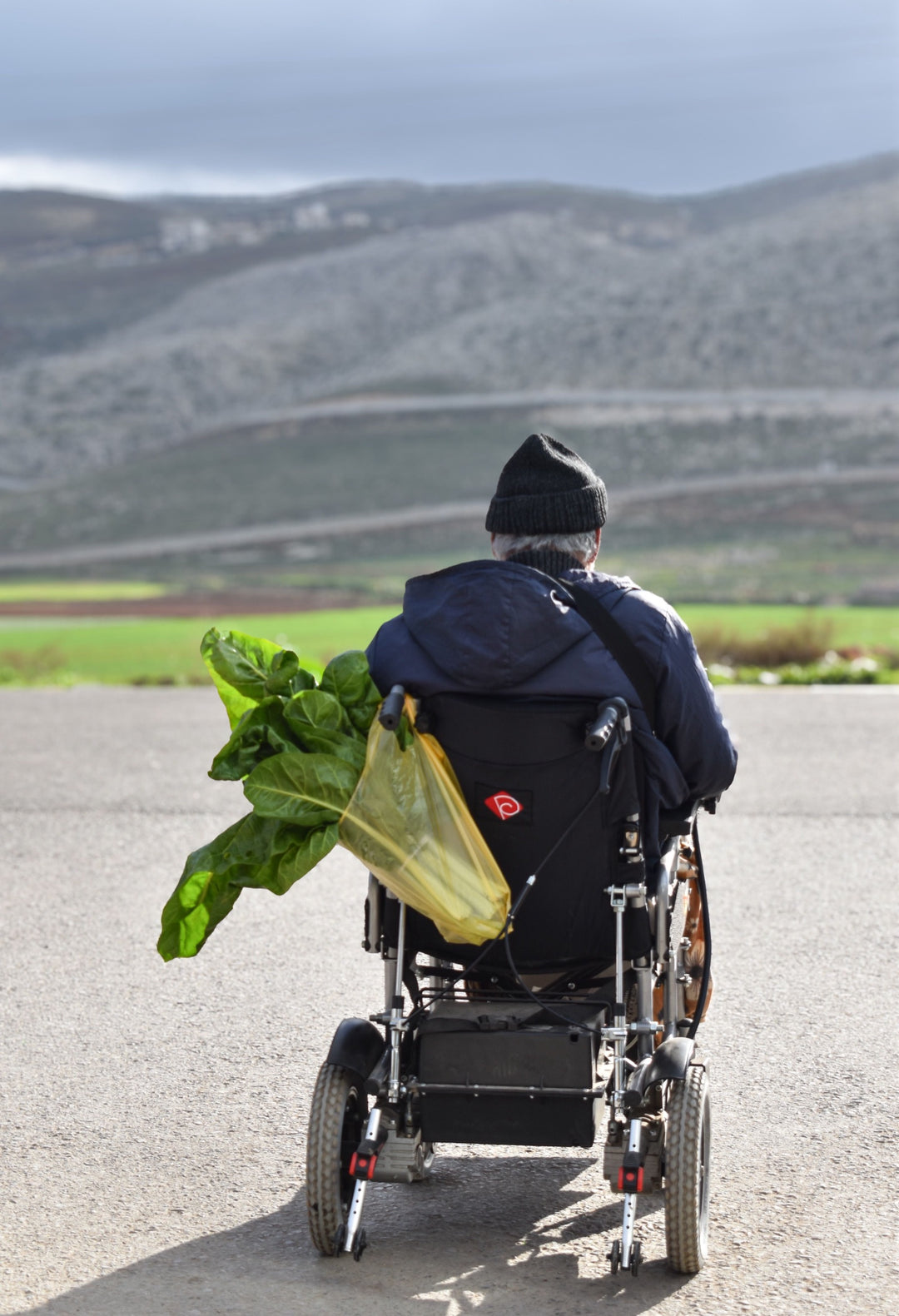
- Where steps are a barrier, NIA’s home safety tips include installing a ramp with handrails to the front door.
Ramps and outdoor stair solutions may involve slope, available space, drainage and local building rules, so get advice from a licensed contractor before building anything.
Make it easier to get help
An accessible home also makes it easier to call for help. NIA suggests carrying a well-charged cordless or mobile phone while moving around the house, and keeping a large-print list of emergency numbers near each landline as well as saving them as favorites on a mobile phone.
When to bring in a professional
Some changes are simple; others need expertise. NIA notes that after a fall, a doctor might suggest that an occupational therapist, physical therapist or nurse visit the home to assess its safety and advise on changes.
- Occupational therapist: can look at how the person manages daily tasks, such as bathing, using the toilet, cooking and getting in and out of bed, and recommend changes and equipment that fit them.
- Physical therapist: can help with strength, balance and walking, and advise on mobility aids.
- Licensed contractor: for structural work, ramps, widened doorways, bathroom changes and electrical work. Check licensing and get written estimates.
- Geriatric care manager: NIA describes these professionals as able to help find resources and form a care plan, which can be especially helpful when family members live far apart.
If you are not sure where to start, ask the person’s doctor for a referral.
Help with planning and paying
If cost is a concern, NIA suggests checking with your state housing finance agency, social services department, community development groups or the federal government for financial aid programs and discounts. NIA also notes that many state and local governments have education or home modification programs to help older people prevent falls.
To find local programs, NIA suggests checking with your local health department or contacting the Eldercare Locator (opens in a new tab) at 1-800-677-1116 to find your local Area Agency on Aging. As with any assistance, confirm eligibility and exactly what is covered, in writing, before work begins.
Frequently asked questions
Where should we start?
With the most urgent hazards. NIA suggests going room by room and fixing immediate dangers such as loose stair railings and poor lighting first, then working on other changes.
Who can assess a home for safety?
An occupational therapist, physical therapist or nurse can assess home safety, and NIA notes a doctor may suggest a home visit after a fall. Ask the person’s doctor for a referral.
Do we need to make every change on a checklist?
Not necessarily. NIA notes it may not be necessary to make all the suggested changes, but it is important to reevaluate home safety as needs change.
Is there help paying for home modifications?
There may be. NIA suggests checking with your local health department, state housing finance agency or social services department, or contacting the Eldercare Locator at 1-800-677-1116 to find your Area Agency on Aging.
Will these changes prevent falls?
They can remove some hazards, but no change or device can guarantee that a fall will not happen. Discuss individual concerns with a doctor or occupational therapist.
Sources
Checked October 10, 2026. Confirm current guidance with the source.
- National Institute on Aging: Preventing Falls at Home: Room by Room (opens in a new tab)
- National Institute on Aging: Aging in Place: Growing Older at Home (opens in a new tab)
- National Institute on Aging: Home Safety Tips for Older Adults (infographic) (opens in a new tab)
- Administration for Community Living: Eldercare Locator (opens in a new tab)
This guide is general information, not medical, legal or financial advice. Read how we write our guides and our disclaimer.