
Everyday living
Daily Checklist for Family Caregivers
A practical daily routine for family caregivers: medicines, meals and drinks, moving safely, home checks, emergency warning signs and looking after yourself.
By Silver Corridor Editorial Published Updated 7 min read
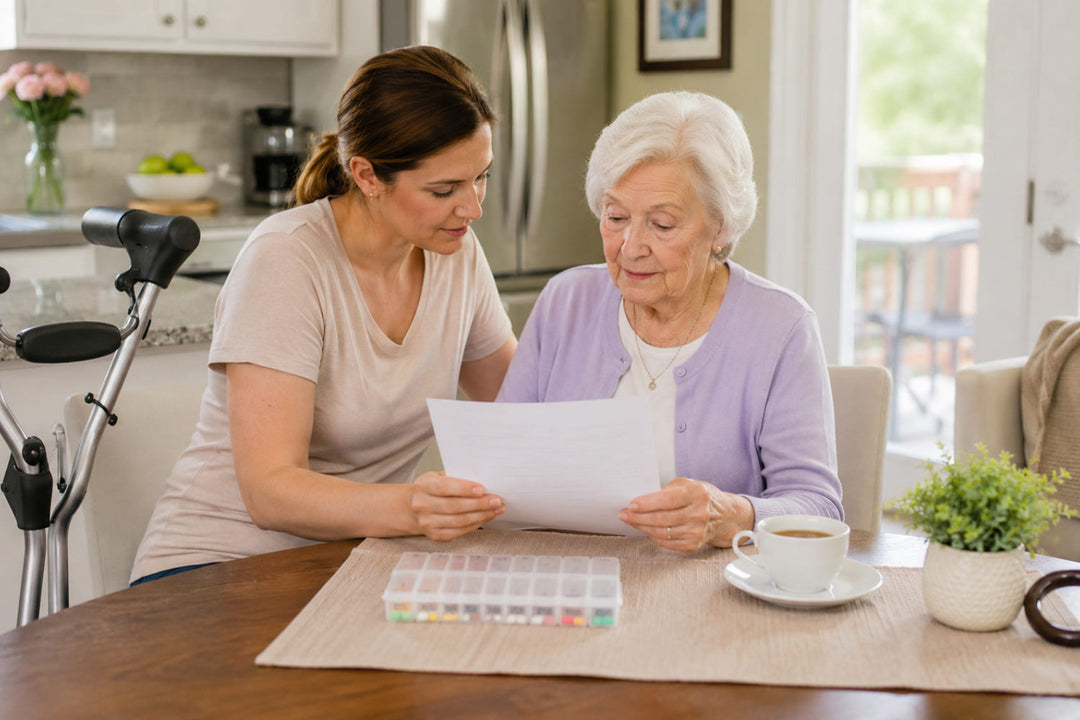
Caring for a parent, spouse or other loved one at home involves many small tasks: medicines, meals, moving around safely, appointments and household jobs. A written daily checklist makes it less likely that something is missed, and it helps when several family members share the care.
Use this as a starting point and adapt it with your loved one and their health care team. It is general information, not medical advice. If you think someone is having a medical emergency, call 911.
Know the emergency warning signs first
Call 911
Some other changes deserve a prompt call to their doctor or nurse advice line rather than waiting for the next appointment, for example:
- A fall, even without an obvious injury
- A fever or other signs of infection
- New or worsening dizziness
- A noticeable change in appetite, mood or memory
- New swelling, pain or difficulty swallowing
Keep emergency numbers, an up-to-date medicines list and key medical information where they are easy to find, and make sure everyone who helps with care knows where they are.
Morning
Getting up
Many people feel stiff or light-headed first thing. Encourage your loved one to sit on the edge of the bed for a moment, then stand up slowly.
Watch for:
- Dizziness or light-headedness
- Weakness or unsteadiness
- Pain when standing
Helping someone stand or move
Bathroom
The bathroom is a common place for slips. Each morning, check that:
- Floors are dry and a non-slip mat is in place
- The path to the toilet is clear and well lit
- Grab bars are firm and secure
- Toiletries are within easy reach
Grab bars that will take body weight need to be fixed into the wall framing, ideally by a professional. Suction-cup handles are not designed to hold body weight and should not be relied on to stop a fall. A shower chair or toilet safety frame helps some people; our bathroom aids are one place to start, but ask a therapist which equipment suits your loved one.
Personal care
Offer help with washing, teeth, hair, shaving and skin care, and let your loved one do as much as they comfortably can. Long-handled tools can make reaching easier.
Morning medicines
- Check that morning medicines were taken as prescribed
- Check each dose against the current medicines list
- If a dose was missed or doubled, follow the instructions from their doctor or pharmacist
A weekly pill organizer can make it easier to see whether a dose has been taken. Ask a doctor or pharmacist to review all medicines regularly, including over-the-counter ones, because some can cause dizziness or sleepiness.
Breakfast and drinks
Aim for a balanced breakfast and offer drinks through the day. If a doctor has set a fluid limit, for example because of a heart or kidney condition, follow that limit rather than general advice to drink more.
Mention a poor appetite, trouble chewing or swallowing, or unusual tiredness to their doctor.
Midday
A quick wellbeing check
Take a few minutes to ask how your loved one is feeling:
- How are you feeling today?
- Do you have any pain?
- Did you sleep well?
- Do you feel dizzy or weak?
Changes in mood, balance or appetite can be early signs of a health problem. Note them and share them with their doctor.
Moving during the day
Regular, gentle activity helps keep muscles strong, and exercises that build leg strength and balance can lower the risk of falling. A physical therapist can suggest activities that suit your loved one, such as walking, chair exercises or stretching.
Stay close by if balance is a concern. If your loved one uses a cane or walker, check that it is the type and height a therapist recommended.
Home safety check
Spend five minutes looking for:
- Loose rugs and trailing cords
- Clutter on walkways and stairs
- Poor lighting, especially at night
- Spills or wet floors
Also make sure walking aids, glasses, a phone and emergency numbers are within reach.
Lunch
- A balanced meal
- Drinks, within any limit their doctor has set
- Any midday medicines
- A comfortable, stable chair
Afternoon
Staying engaged
Activities your loved one enjoys, such as reading, puzzles, music, gardening, calls with family, light household tasks or a short walk, keep the day varied and connected.
Comfort
Ask about discomfort during the day, such as neck, back or joint pain, stiffness or swollen feet, and tell their doctor about pain that is new or does not go away.
Pillows and supports help some people get comfortable in a chair or in bed; see our support pillows.
Heat and electrical products
Evening
Evening medicines
- Check evening doses against the medicines list
- Record what was taken
- Refill the pill organizer for the next day or week
- Check tomorrow's appointments
A shared medicines log helps when more than one person gives care.
Before bed
- Lock the doors
- Turn on night lights along the route to the bathroom
- Clear trip hazards from the floor
- Place walking aids, glasses and a phone within reach of the bed
- Leave a drink nearby, within any fluid limit
Sleep
A quiet, dark room at a comfortable temperature, with a supportive mattress and pillows that suit them, can make it easier to rest. Ask their doctor about sleep problems that continue.
The daily checklist at a glance
Every day
- Morning and evening medicines checked and recorded
- Meals and drinks, within any fluid limit
- Bathroom checked: dry floor, mat, clear path
- Help with personal care
- Some gentle activity
- Five-minute home safety check
- Time for something enjoyable
- Comfort and pain check
- Night lights on, walking aids and phone within reach
Look after yourself too
Caregiving can be rewarding, but it can also be stressful and tiring. Looking after your own health makes it easier to keep caring for someone else.
- Take regular breaks
- Eat well and get enough sleep
- Ask family and friends for specific help
- Look into respite care so you can rest
- Keep up activities you enjoy
The Eldercare Locator (opens in a new tab) (1-800-677-1116, call or text) can connect you with local services for older adults and caregivers.
Final thoughts
You do not need to do everything perfectly. A simple routine, adapted with your loved one and their care team, helps you notice small changes early and share the work with others.
Frequently asked questions
How often should I use a caregiver checklist?
Daily works for most families. Review it together every few weeks, and whenever your loved one's health or medicines change.
What should I do if my loved one falls?
If they are hurt, cannot get up, have hit their head or seem confused, call 911, and do not try to lift them on your own. Tell their doctor about every fall, even when there is no obvious injury.
Which equipment helps family caregivers most?
It depends on the person. A physical or occupational therapist can assess your loved one at home, recommend equipment such as grab bars, a shower chair, a walker or a transfer aid, and show you how to use it safely.
How can we lower the risk of falls at home?
Ask their doctor to assess fall risk and review medicines, encourage exercises that build strength and balance, keep up yearly eye checks, remove trip hazards, improve lighting, and have grab bars and stair rails properly installed.
Sources
Checked October 19, 2026. Confirm current guidance with the source.
- CDC: Signs and symptoms of stroke (opens in a new tab)
- CDC: About heart attack symptoms, risk and recovery (opens in a new tab)
- CDC: Preventing falls and hip fractures (opens in a new tab)
- MedlinePlus: Caregivers (opens in a new tab)
- MedlinePlus: Exercise for older adults (opens in a new tab)
- Administration for Community Living: Eldercare Locator (opens in a new tab)
This guide is general information, not medical, legal or financial advice. Read how we write our guides and our disclaimer.